Video editing has always required a mix of creative judgment and repetitive execution. Editors need to review hours of footage, find the strongest moments, remove unnecessary sections, arrange clips, adjust pacing, clean audio, and create different versions for multiple platforms. Although modern editing software has made these tasks easier, much of the process still depends on manual work.
AI is changing this workflow by helping editors handle time-consuming timeline tasks faster. Instead of replacing creative decisions, AI-powered editing tools are becoming assistants that organize footage, suggest edits, automate repetitive actions, and help teams move from raw footage to a refined timeline more efficiently.
From automatically identifying useful clips to creating first drafts from large collections of footage, AI is making timeline editing more accessible for creators, filmmakers, and production teams.
How Does AI Help With Timeline Editing?
AI improves timeline editing by understanding the content inside video files rather than treating footage as simple clips. Traditional editing requires creators to manually watch footage and decide what belongs in the final sequence. AI can analyze visuals, speech, scenes, and audio patterns to speed up this process.
This shift has led to the rise of agentic video editors, where AI agents can take on specific editing tasks inside a timeline instead of only generating suggestions. Tools like invideo editor follow this approach by allowing creators to assign editing work to AI agents while keeping control over the final project.
For example, AI can identify repeated takes, remove unnecessary pauses, detect important dialogue sections, and organize clips based on the story or instructions provided by the editor. This allows editors to spend more time refining creative choices instead of managing every small timeline adjustment.
The biggest impact comes during the early stages of editing, where assembling a usable first version of a video often takes the most time.
AI-Assisted Footage Review and Organization
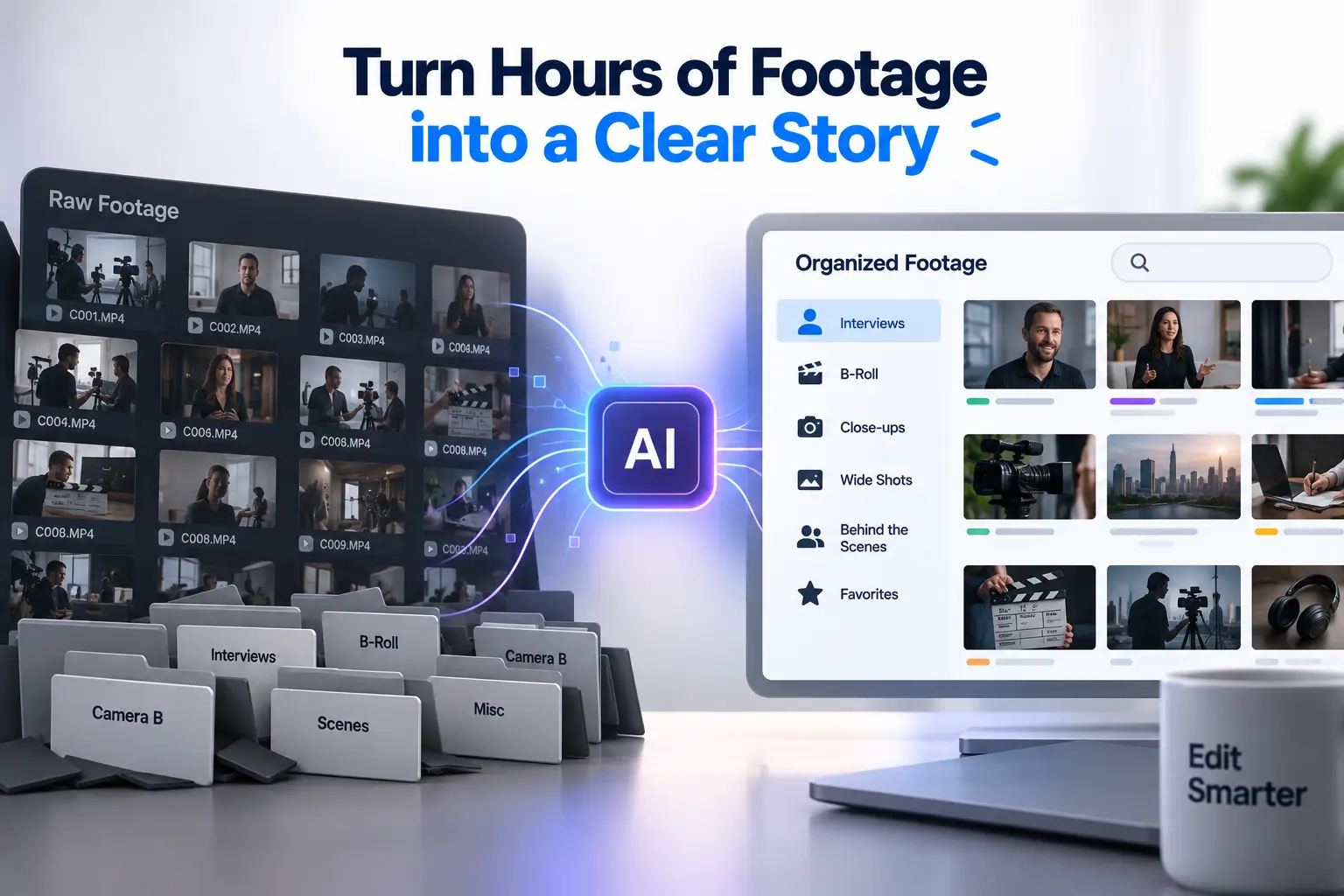
One of the most time-consuming parts of editing is reviewing raw footage. A single project can contain hours of interviews, multiple camera angles, behind-the-scenes footage, or several versions of the same scene.
AI tools can analyze footage and create a clearer structure by identifying:
- Important dialogue moments
- Different speakers
- Repeated scenes or takes
- Visual elements within clips
- Usable sections based on editing instructions
This makes it easier for editors to find the right material without manually searching through every file.
For documentary creators, interview editors, and YouTube creators working with long recordings, AI-powered footage organization can significantly reduce the time spent preparing a project before editing begins.
Faster First Cuts With AI Timeline Assembly
Creating a first cut is often one of the longest steps in video production. Editors need to decide which takes work best, arrange clips in the right order, and remove sections that slow down the story.
New AI editing workflows can help create a starting timeline based on a script, transcript, or creative direction. Instead of generating a final video automatically, these systems help build an editable foundation that editors can review and improve.
For example, invideo editor uses AI editing agents inside a professional timeline environment to handle repetitive editing tasks. Creators can provide raw footage and direction, and the agents can review clips, select usable takes, remove unnecessary parts, and assemble a base cut directly on the timeline. Editors can then inspect every change, adjust the sequence, and continue refining the project manually.
This approach is especially useful for projects with repeated recordings, interviews, podcasts, educational videos, or content that requires multiple versions.
AI Helps Editors Find Moments Faster
Searching through footage is another area where AI is improving timeline workflows. Instead of remembering file names or manually scanning clips, editors can describe what they need and find relevant moments faster.
For example, an editor working on a travel video may search for clips showing a specific location, activity, or emotion. A content team creating social media clips from a long podcast can quickly locate sections discussing a particular topic.
Semantic search allows AI systems to understand the meaning of footage rather than only relying on metadata. This helps creators work with large media libraries without spending hours organizing everything beforehand.
Automated Removal of Unwanted Sections
Small edits can take a surprising amount of time. Removing silence, filler words, repeated sentences, or mistakes across a long recording requires careful attention.
AI-powered editing tools can identify these sections and suggest or apply changes automatically. This is particularly helpful for:
- Talking-head videos
- Online courses
- Interviews
- Podcasts
- Webinars
- Product demonstrations
Editors can still review the changes, but AI reduces the amount of manual cleanup needed before the final editing stage.
Improving Multicam and Complex Projects
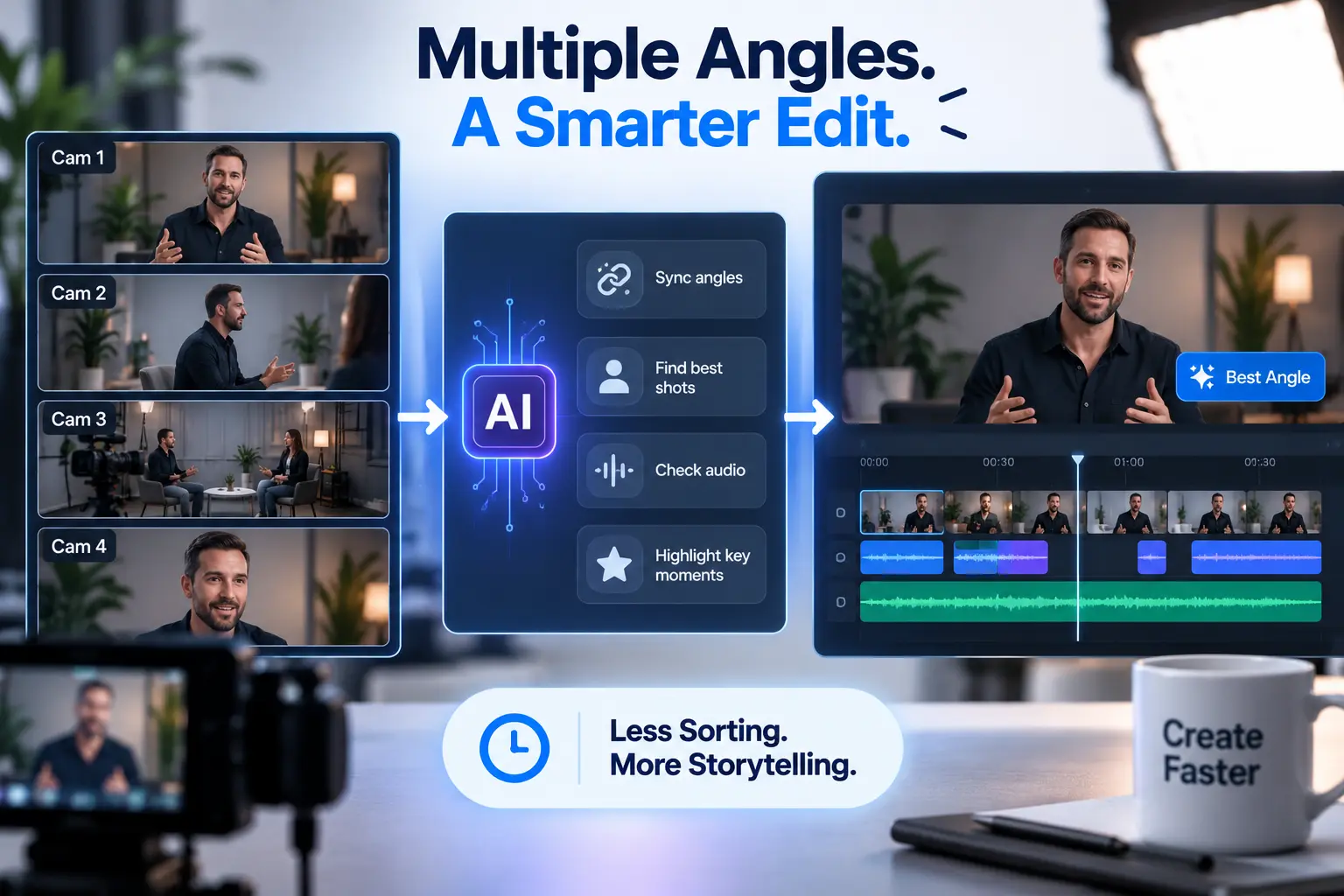
Multicam editing requires editors to manage multiple camera angles and choose the best shots at the right moments. This process can become complicated when working with long events, interviews, or live recordings.
AI can assist by analyzing different camera feeds, syncing footage, and helping identify stronger angles based on factors such as speaker visibility, movement, or audio quality.
For production teams, this means less time spent sorting through footage and more time focused on storytelling, pacing, and visual style.
AI-Powered Timeline Adjustments and Version Creation
Modern video production often requires multiple versions of the same content. A single long-form video may need shorter clips for social platforms, highlight reels, advertisements, or different audience groups.
AI can help editors create these variations faster by identifying important sections and adapting timelines for different formats.
For example, a creator can transform a long interview into several short clips by finding strong moments, adjusting framing, adding captions, and preparing platform-specific edits. This helps teams increase content output without rebuilding every version manually.
AI Does Not Replace Creative Editing Decisions
Although AI can speed up many timeline tasks, creative decisions remain an important part of editing. Story structure, emotional timing, visual style, and audience connection still require human judgment.
This is the idea behind newer agentic editing workflows, where AI handles execution-heavy tasks such as footage review, timeline organization, and initial assembly, while editors continue making creative decisions. Invideo editor is built around this workflow, giving creators an editable timeline where they can review and adjust every AI-assisted change.
This shift allows editors to focus more on storytelling rather than spending most of their time managing footage.
The Future of AI-Powered Timeline Editing
As AI models become better at understanding video content, timeline editing will continue to become more intelligent. Future workflows may include deeper scene understanding, improved creative suggestions, faster collaboration between teams, and more advanced automation across the entire editing process.
Instead of opening an empty timeline and building everything manually, creators may begin with an organized project that already understands their footage, structure, and goals.
The role of editors will continue moving toward creative direction, decision-making, and refinement, with AI handling more of the repetitive production work behind the scenes.
Conclusion
AI is making timeline editing faster by reducing the manual effort involved in reviewing footage, building first cuts, organizing media, and creating multiple versions of content. These improvements help creators and production teams complete projects more efficiently without losing control over the editing process.
Tools like invideo editor show how AI can work alongside traditional editing workflows by handling repetitive timeline tasks while keeping every change visible and editable. As AI continues to develop, timeline editing will become less about managing footage and more about shaping ideas into finished stories.