Links are essential for any effective brand-building strategy. It’s how you get to reach more people, create awareness about a new service launch, and make more people check out your cool designs or products. But anyone who has ever tried to get just a few quality links knows firsthand that it’s not as easy as it sounds.
The alternative option for most marketers and designers is to simply buy backlinks from freelance platforms or websites. But this is a risky move that can lead to bad outcomes unless you know how to go about it. So, in this article, we will explore how to buy the kind of links that build your brand.
Advantages of Link Buying for Effective Brand Building
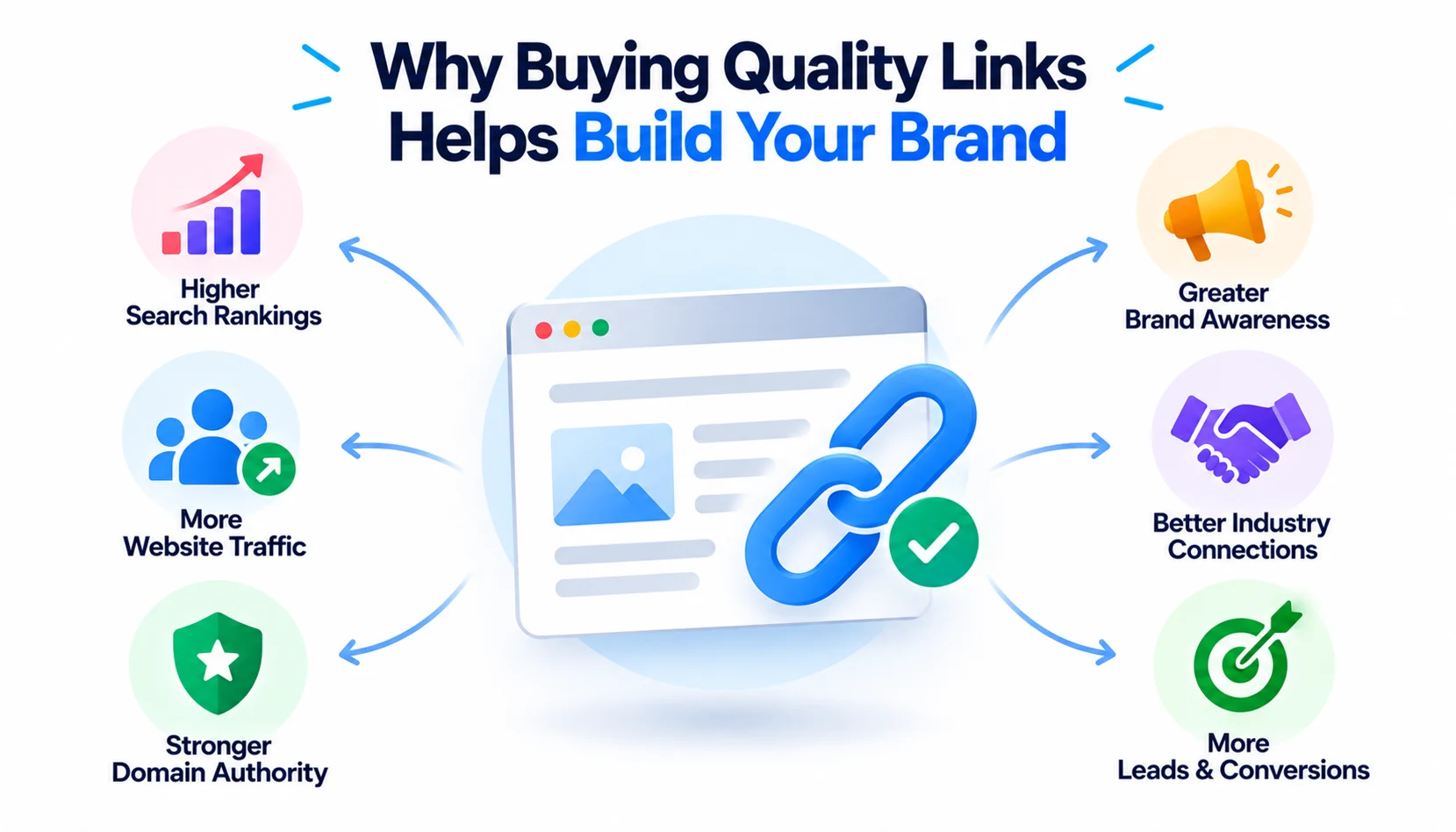
Brand building is a complex task that requires you to constantly try new techniques to boost your reach, increase awareness, and form better relationships with customers. The ability to get quality links from relevant sites within your niche can help you achieve all your goals quickly. Besides, you can connect better with others in your industry. Quality links also positively affect your overall growth trajectory.
But building an effective backlink strategy is a rather time-consuming task that requires a lot of resources. So, let’s fast-forward to the benefits of buying links. Is it even worth the effort? Yes, because you get to see an improvement in your search rankings, higher traffic to your site, a better domain authority score, and more leads/conversions. And you can get all of these without the hassle of digging for the right site and the frustration of sending pitch after pitch without results.
Let’s be clear: link buying, in this case, is not related to spammy link-building tactics or link farms’ services that can give you as many links as possible but without regard to quality. In fact, we mean exactly the opposite. You will need to buy quality links from credible sources. So, you must know which providers are worth trusting and which to avoid.
Types of Linking Strategy Techniques for Your Brand
Brands can use lots of methods to build their natural backlink profile and drive traffic to their sites. Here are some of the common tactics:
- Quality content and visual assets. The most common linking strategy for brand growth involves the creation of quality content and visual assets that people can easily share. And remember that first, they have to like it to even bother sharing it. When you have really cool logos, infographics, images, videos, and other visual content, you increase the odds of people finding you on search engines and other people linking to your website.
- Resource pages. Brands also find ways to get listed on resource pages so that people seeking the best products within their niche can do it easily. But you can do even better. Be really persuasive when reaching out to the resource pages and asking to be included on their site. If they agree, you’ll get a link to your web page.
- Competitor analysis. This is another common way to get quality backlinks monthly. You will have to scoop out what your competitors are doing and who is linking to them. Then, reach out to those websites and offer something valuable in return for a link back to your site.
- Unlinked mentions. If your brand is old enough, chances are that someone might have mentioned you but somehow didn’t link to your site. You may reach out to those resources and ask to fix the mistake. Thus, you’ll get a link.
- Guest blogging. This is a very effective strategy, but it also requires intense effort. You will have to search for relevant quality sites, do outreach, create unique content, and more. Luckily, there are tools like OpenAI that you can use to check the quality of your content and ensure it meets the mark. If you succeed, the blogs will publish and link to you. Note that this method can be quite expensive, as some blogs now request a fee, which makes it a paid backlinks practice.
Buy Backlinks: Best Practices to Improve Brand Presence
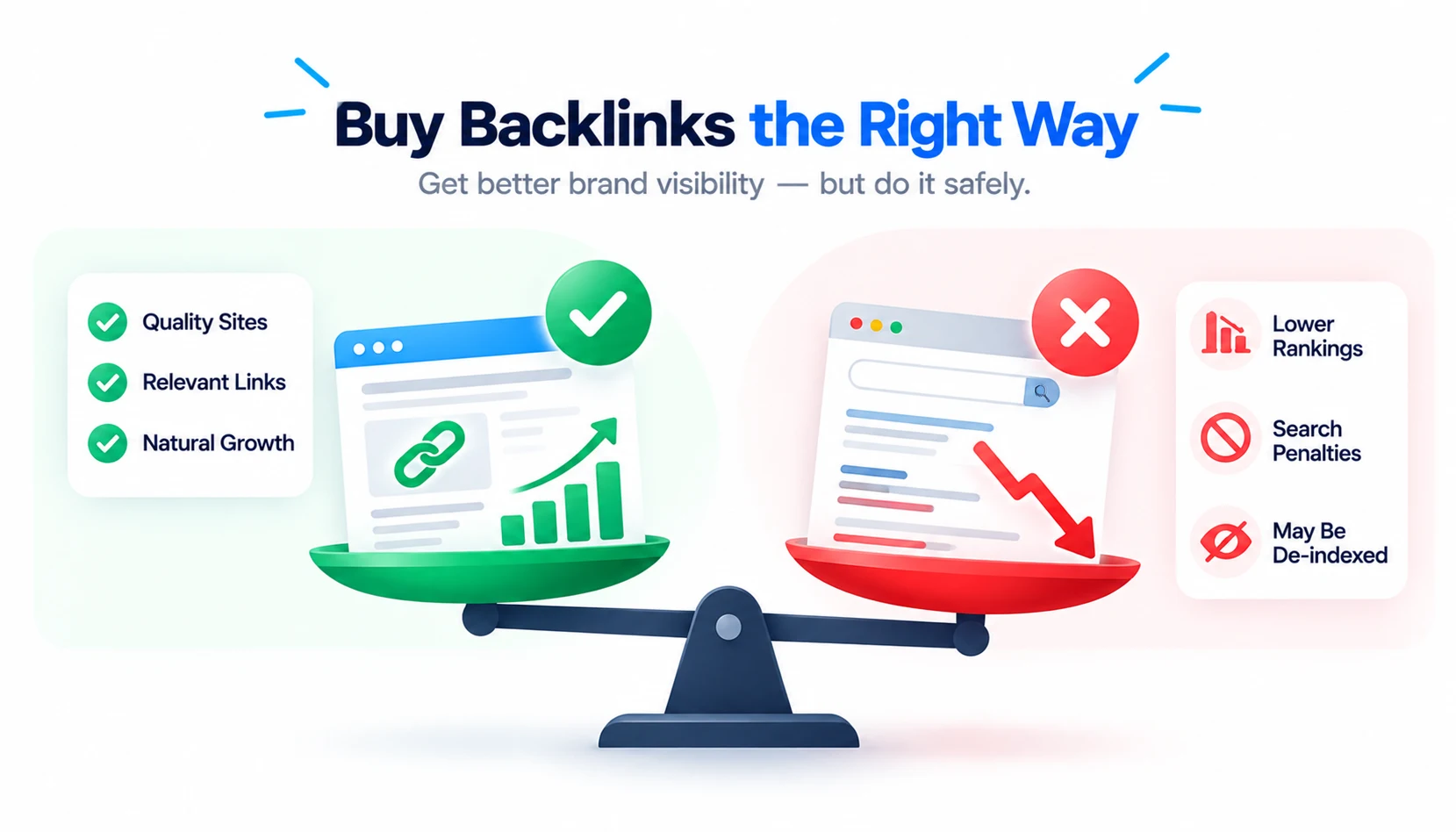
Before you hurry to purchase backlinks, know that even though it’s a common practice, it is also considered unethical and can get you in trouble. You could see your search rankings drop if you are lucky or face even worse penalties like not showing up in search results at all. So, if you decide to buy links, know how to avoid these scenarios.
1. Avoid Cheap Backlink Services
We’ve all seen an agency or a person offering backlinks for next to nothing. Prices can be so low and come with such high promises that you’ll be tempted to give it a thought. Truth be told, this is a red flag, and you want to steer clear of such vendors. Most likely, it’s a scam at best. In the worst-case scenario, they will flood your sites with links from low-quality resources that will cause Google to serve you a penalty.
2. Put On Your Detective Hat and Look Deeper to Verify Any Prospective Service
Ok, say you skipped all the cheap services and managed to find lots of promising providers. Congratulations, but hold on. There’s just one small detail. You have to check them. They will all claim to build contextual backlinks using Google-friendly practices and promise that every client gets tremendous results. But make sure that you check their claims. Do they have case studies? What is their reputation? Check the reviews, especially the negative ones.
Also, decide early if you want the agency to create the content or prefer to do that yourself. Whatever you choose, ensure that your target audience will actually want to read your piece.
3. Know How to Spot the Difference Between Quality and Toxic Links
This is a great skill to have, especially when you plan to buy backlinks. Even if you trust your service provider, check in with them and get reports on their activity. Also, check the quality of the backlinks you get and see if they are from quality sites or from sites with high domain authority scores. All links should only come from relevant resources and not just random websites. Thus, you’ll boost your domain score and brand credibility.
4. Don’t Be Afraid to Spend Money on Getting Advanced Backlink Services
The second biggest problem for most marketers is high backlink prices. Depending on your needs, you can spend from a few hundred to thousands of dollars for quality links. But if you want the best, budget for it. Remember that you outsource your link building to an external team instead of doing it yourself. So, technically, you pay for their time and work, not just the links themselves.
5. Use Your Keywords as Anchor Texts and Make Sure They Look Natural
You should be able to communicate with your service provider or agency to know which of your keywords would be suitable for good, natural backlinks anchor texts. Thus, you’ll avoid looking salesy and scaring off potential customers.
6. Promote Your Brand Unashamedly
Say you design something really cool, would you hide it or show it off? Well, if you are getting links from big-name brands in your niche, then it’s the kind of win you should promote across all your social media spaces. Even a cool TikTok campaign where you cite endorsements or link mentions from the big brands can boost your brand credibility and make customers check you out or even buy from you.
FAQs
1. How does link buying help with brand building?
Link buying may help increase brand visibility, referral traffic, and audience reach when links appear on relevant, reputable websites. However, paid links do not guarantee higher search rankings.
2. Is buying backlinks safe for SEO?
Buying backlinks to manipulate search rankings violates Google’s spam policies and may result in ranking drops or manual actions. Paid placements should be properly qualified using rel="sponsored" or rel="nofollow".
3. How can I identify high-quality backlinks?
Look for websites with relevant content, a genuine audience, strong editorial standards, and credible reputations. Avoid link farms, spammy websites, and providers promising guaranteed rankings.
4. What are the best alternatives to buying backlinks?
Effective alternatives include guest blogging, creating valuable content, publishing infographics, earning links through digital PR, analyzing competitor backlinks, and reclaiming unlinked brand mentions.
5. How much should I spend on backlink building?
Your budget depends on your goals, industry, content requirements, and outreach needs. Focus on the quality and relevance of placements rather than choosing services based solely on price.
6. What is anchor text, and why does it matter?
Anchor text is the clickable text used in a hyperlink. Relevant, natural anchor text helps readers understand the linked page. Avoid excessive exact-match keyword anchors intended to manipulate rankings.
7. Can backlinks increase website traffic and conversions?
Yes. Links from relevant websites can attract interested visitors, improve brand discovery, and potentially generate leads and conversions. Results depend on the audience, placement, and quality of your landing page.
8. How can I measure the success of a backlink strategy?
Track referral traffic, relevant referring domains, brand mentions, engagement, leads, and conversions. You can use Google Analytics 4 and Google Search Console to evaluate performance and monitor organic search visibility.
Conclusion
Buying quality links can help you build a strong brand presence. You can control the quality of links, content, and, to some extent, the whole process if you are using a credible provider. Remember, a white-hat link-building agency probably has years of experience with lots of the top blogs across several industries. They have that advantage that makes their campaigns more effective than those you do by yourself. As a result, you get gains that far outweigh any initial costs.